
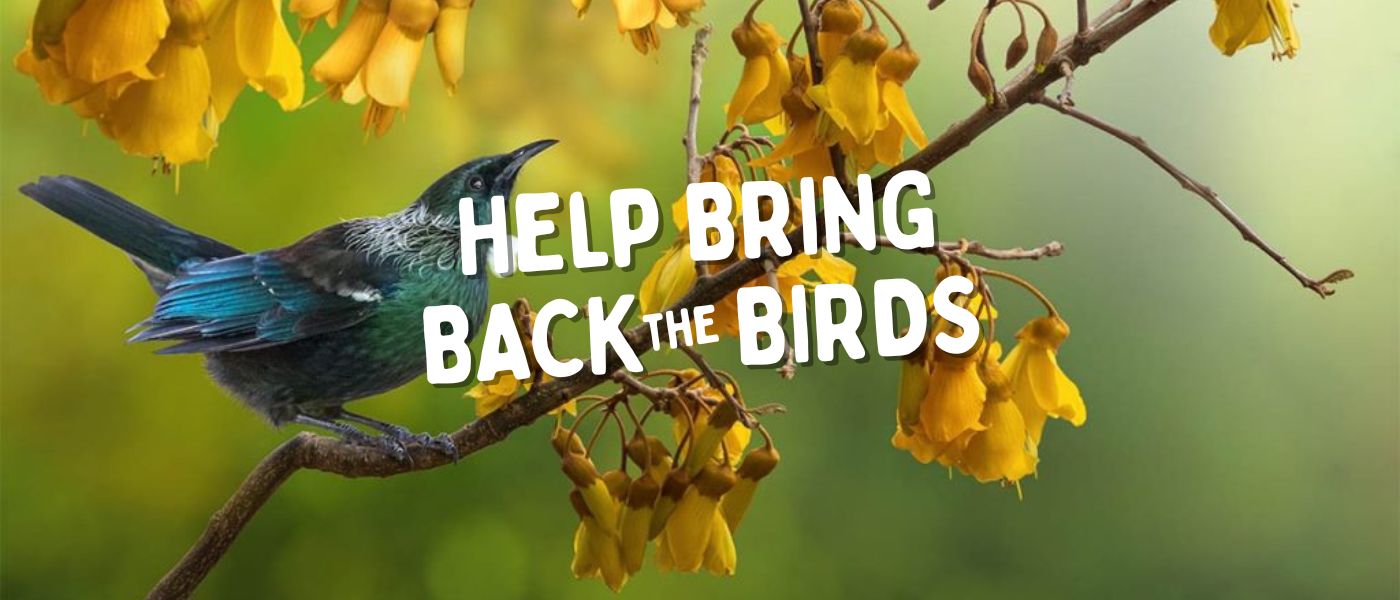
We need your help! We are launching an initiative to control rats and mice along the riverbank, creating a habitat in which our native birds can return and thrive.
Recently, the Waihoro Spreydon-Cashmere-Heathcote Community Board and the Waitai Coastal-Burwood-Linwood Community Board approved the Ōpāwaho Heathcote River Planting Plan, developed by the Christchurch City Council’s Parks Department. This plan supports the goals of the Urban Forest Plan, which aims to increase the canopy cover within our city.
One key objective of the Urban Forest Plan is to increase canopy cover along the city’s waterways from 21% to 75% over the next 50 years. Achieving this will help cool the city amidst climate change impacts, improve water quality by shading out invasive weeds and algae, and keep water temperatures lower, which boosts oxygen levels for aquatic life.
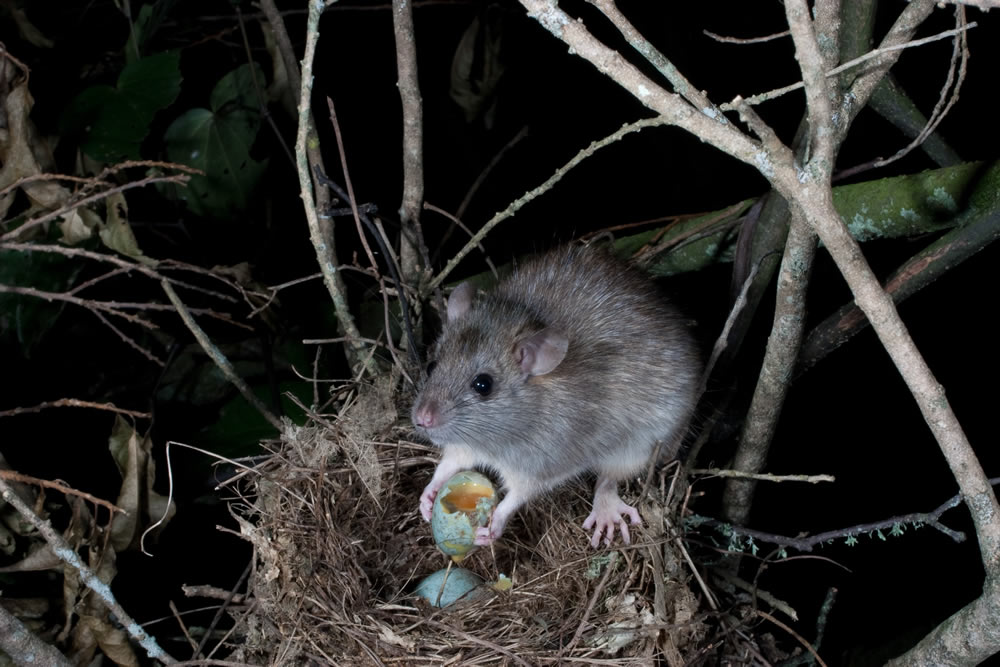
Rats eat birds, seeds, snails, lizards, fruit, birds eggs, chicks, larvae and flowers.
Implementing this plan will significantly enhance the habitat and food sources for our native birds, many of which – like the tui – are now rarely seen along the river. The decline of these birds is largely due to the loss of suitable riverside vegetation and the presence of introduced predators, especially rats. Ship and Norway rats have a major impact because they are omnivores eating birds, seeds, snails, lizards, fruit, birds, eggs, chicks, larvae and flowers. The varied diet of rats also makes them competitors with native wildlife for food sources. Ship rats are good climbers and attack tree-dwelling birds such as kererū, pīwakawaka and tūī.
If we want evidence of the impact that trapping rats can make on native bird populations we need only look to the success of Predator Free Miramar which has achieved a 91% increase in native bird detections including a 141% increase in tūī. Native bird populations are also up 32% across Tāmaki Makaurau (Auckland) eastern bay suburbs. The driving force? 4,500 locals trapping in their gardens, and hundreds volunteering in parks and reserves.
So, in a similar spirit of “we can do it”, and as part of the Predator Free 2050 initiative, the Ōpāwaho Heathcote River Network (ŌHRN) is partnering with Predator Free Ōpāwaho to trap rats, mice, and hedgehogs along the entire length of the river, starting at Tunnel Road Bridge and gradually expanding up to Nga Puna Wai.
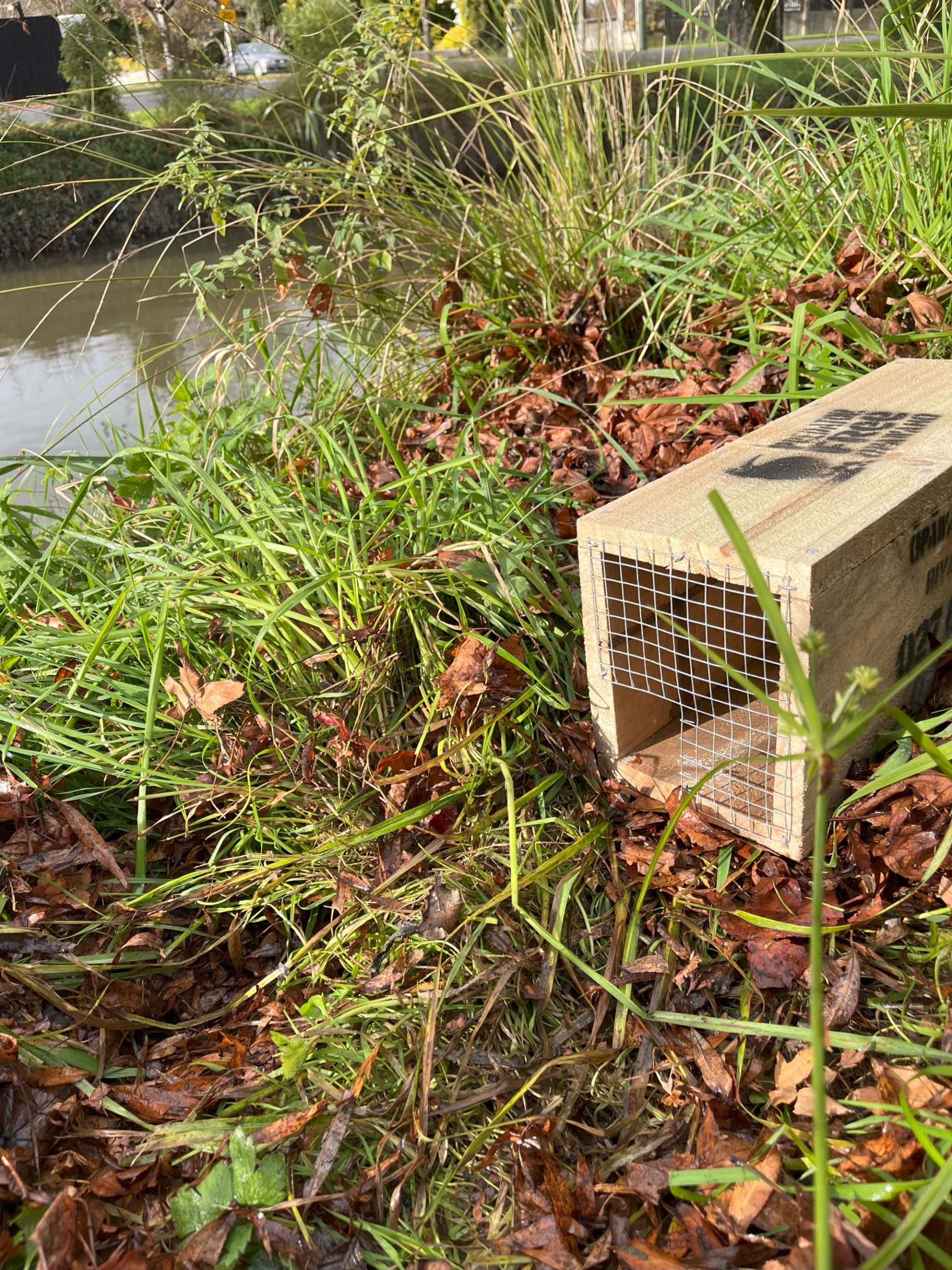
Trap tunnels will be placed within plantings on the riverbank where they will be largely unseen by the public.
Since this trapping will be occuring in public spaces – our riverbanks are effectively parks – the Christchurch City Council is providing oversight, safety audits, and support to ensure that all trapping activities meet health and safety standards. Traps are placed within carefully designed wooden tunnels to prevent accidental harm to pets and children, the tunnels are secured to the ground by metal stakes and all trap types used are approved by the Department of Conservation. This program focuses specifically on controlling rats, mice, and hedgehogs, and does not target possums or mustelids in order to minimize risk to the public.

Click image to find out more information and/or to volunteer to help
Before trapping begins, monitoring tunnels are laid out to track the presence of rats and mice. Changes in predator populations will be key indicators of the program’s success. The ŌHRN will set up and maintain traps in wooden tunnels along the riverbank and parks, largely but not entirely out of public view.
We are seeking residents living near the river to volunteer in managing these traps. Volunteering involves checking traps regularly and recording results via a dedicated app used by trappers nationwide. No previous experience is needed—training, support and equipment will be provided.
If you are interested in helping with the return of our native birds and the improvement our river environment, learn more and register as a volunteer by following this link.