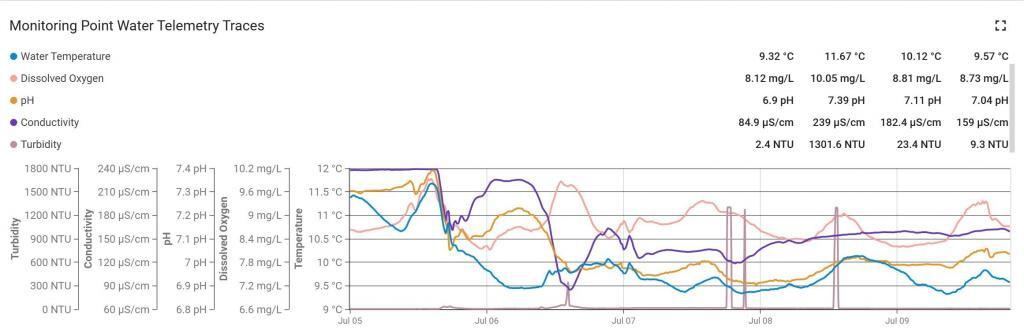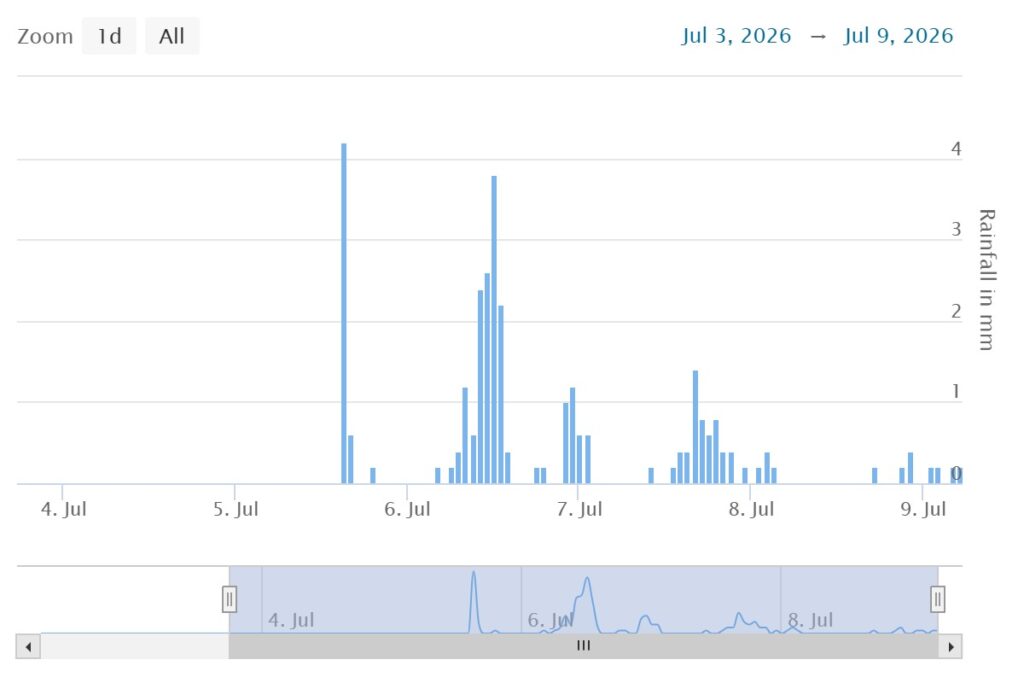
Through the Community Waterways Partnership (CWP), the Ōpāwaho Heathcote River Network has been able to commence continuous water quality monitoring of the river immediately above the confluence of the Cashmere Stream and the Ōpāwaho Heathcote River. We want to better understand the impact of sediment on water quality during and after rainfall events.
Understanding how rivers respond to heavy rainfall has long been one of the biggest challenges in freshwater management. While water quality can change dramatically within a matter of hours as sediment and contaminants wash into waterways, traditional monitoring methods often miss these short-lived events.
The Ōpāwaho Heathcote River Network (ŌHRN) is now taking a step towards filling that knowledge gap through a year-long trial of continuous water quality monitoring on the Waimōkihi, the main stem of the river above the confluence with Cashmere Stream. Supported by funding from the Community Waterways Partnership (CWP), the project will provide detailed, real-time information about how the stream responds to rainfall and how sediment moves through the wider Ōpāwaho Heathcote River catchment.
Sediment is one of the most significant pressures on urban waterways. Excessive sediment reduces water clarity, smothers aquatic habitats, transports nutrients and contaminants, and can have lasting impacts on freshwater ecosystems. Understanding when sediment enters the river system and where it originates is essential for developing effective catchment management and restoration programmes.
Current monitoring programmes undertaken by Christchurch City Council and Environment Canterbury provide valuable information about the health of the river. Monthly water samples are collected from 15 locations throughout the catchment and contribute to annual water quality reporting and regulatory monitoring.
However, these samples represent conditions at a single point in time. While they provide an important long-term record, they cannot capture the rapid changes that often occur during and immediately after rainfall events, when sediment, nutrients and other contaminants are washed from roads, construction sites and surrounding land into waterways.
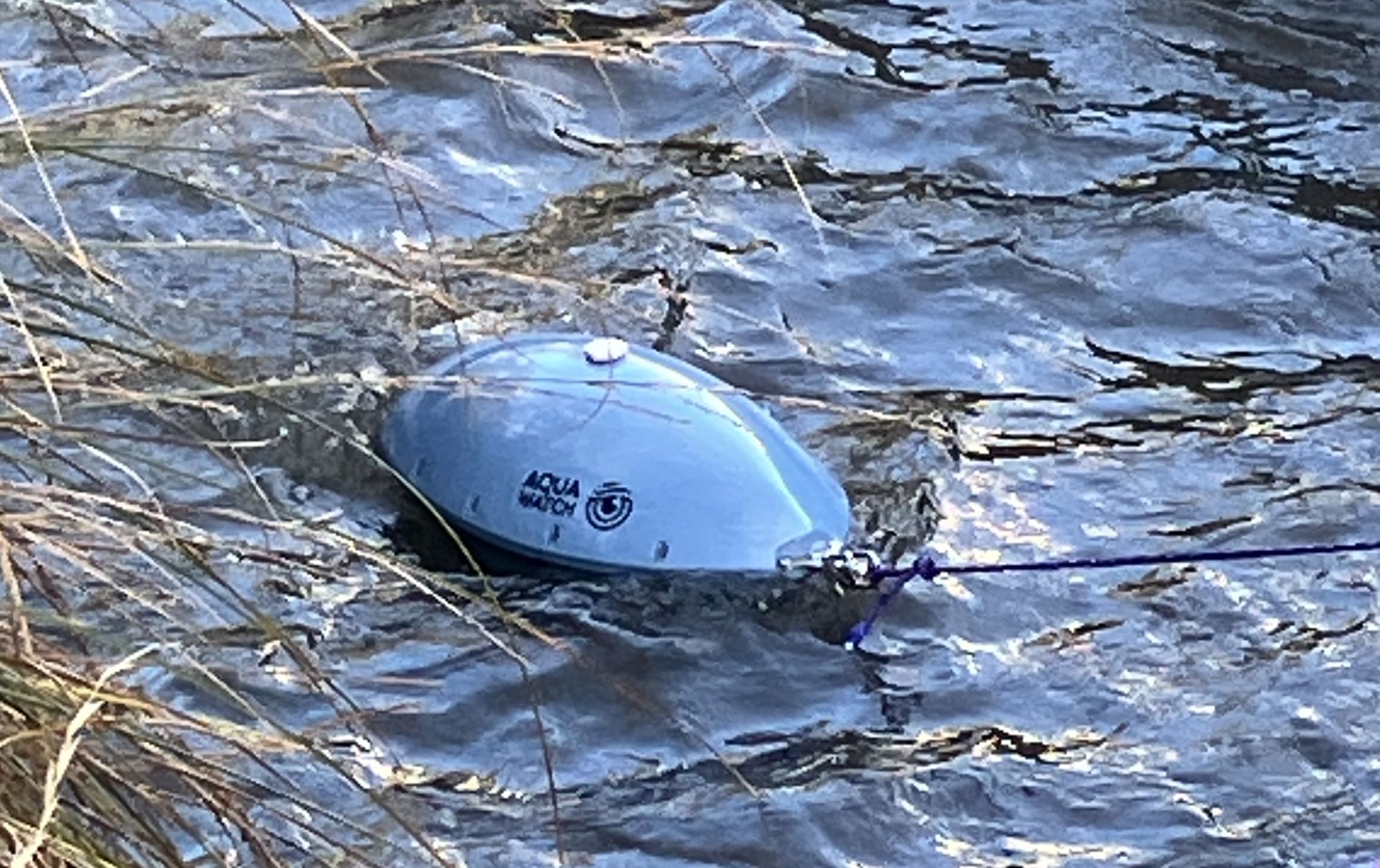
The WaQA unit as deployed.
To address this limitation, ŌHRN has deployed the Aquawatch WaQA continuous water quality monitoring system immediately upstream of the Waimōkihi’s confluence with the Ōpāwaho Heathcote River.
Unlike traditional sampling, the WaQA system measures water quality automatically every 15 minutes, 24 hours a day, throughout the year. It continuously records five key indicators of river health—turbidity, water temperature, dissolved oxygen, conductivity and pH—creating a detailed picture of how water quality changes over time.
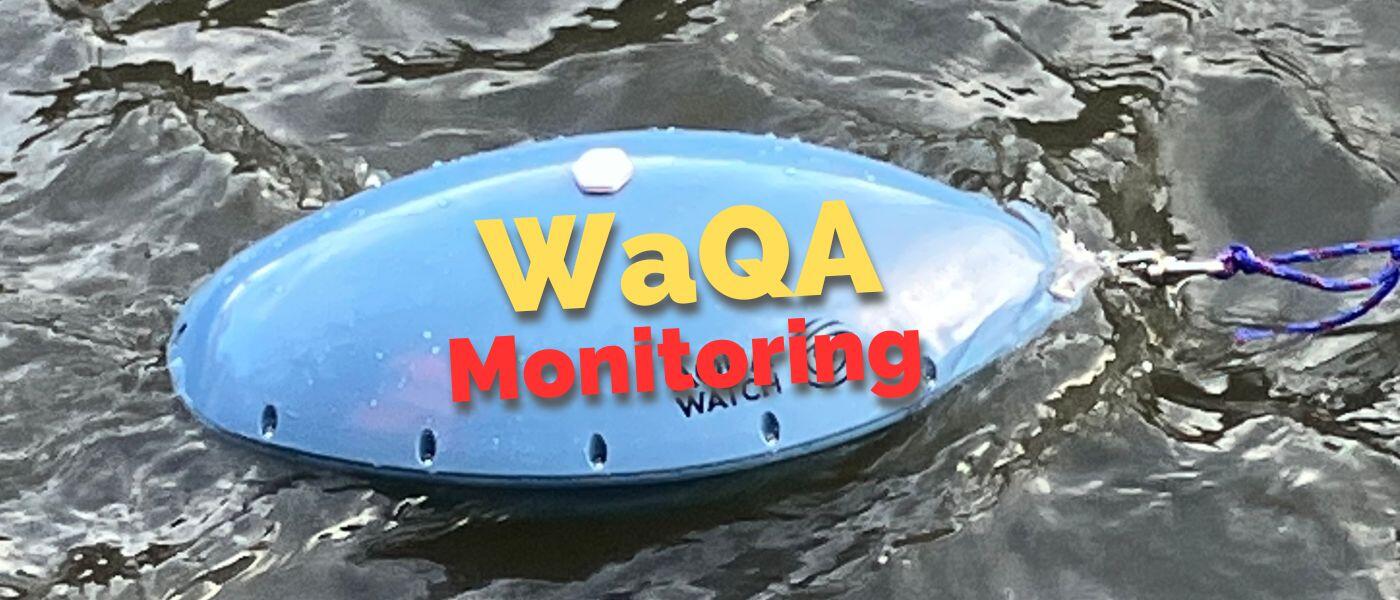
The technology itself is both robust and efficient. The WaQA5 monitoring unit is a compact floating platform tethered to the riverbank. Sensors mounted beneath the unit collect water quality measurements every 15 minutes before transmitting the data by Bluetooth to a nearby receiver. The receiver then sends the information via the cellular network to secure cloud-based servers, where artificial intelligence analyses the data and presents the results through an online dashboard.
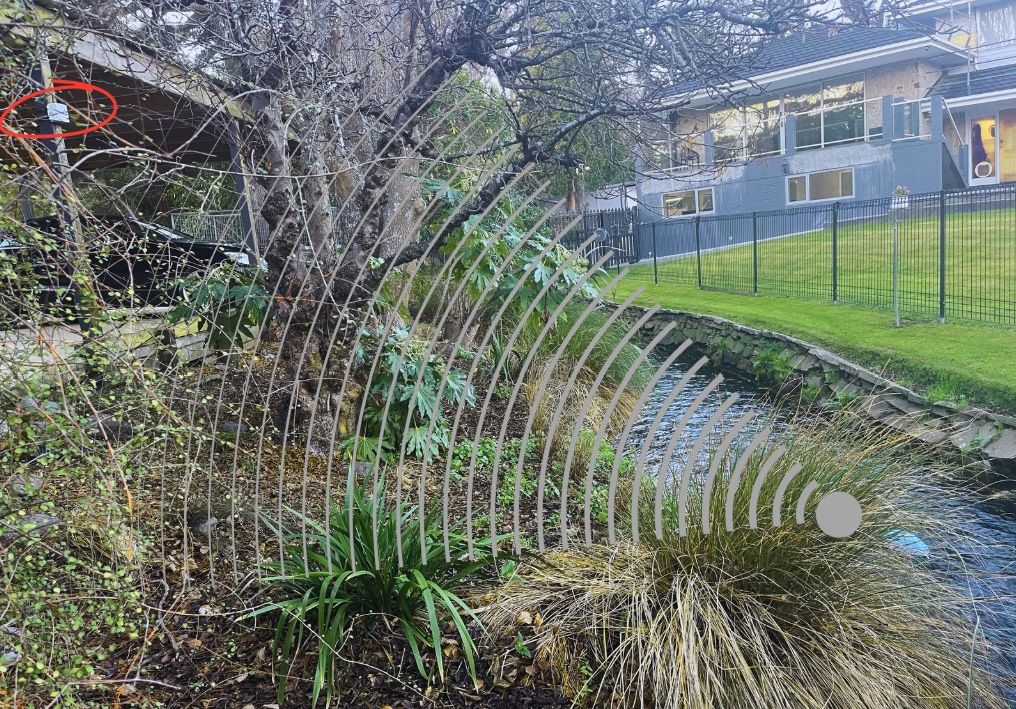
The floating unit transmits data via Bluetooth to the receiver on the riverbank.
Designed for long-term deployment, the battery-powered unit requires only routine cleaning every one to two weeks. Every three months it is exchanged for a fully serviced replacement, allowing monitoring to continue uninterrupted while the original unit is recalibrated and prepared for redeployment.
The greatest strength of continuous monitoring is its ability to capture the events that matter most. Rainfall can trigger rapid increases in sediment and contaminant levels that may last only a few hours but have significant ecological consequences. Continuous monitoring records these changes as they happen, providing insights that would otherwise be impossible to obtain through monthly sampling alone.
During the trial, data collected from the Waimōkihi will be compared with information from WaQA units already operating elsewhere in the catchment, particularly in the Cashmere Valley. Analysing multiple monitoring sites during the same rainfall events will help researchers track sediment movement through the catchment and better understand how different tributaries contribute to overall river health.
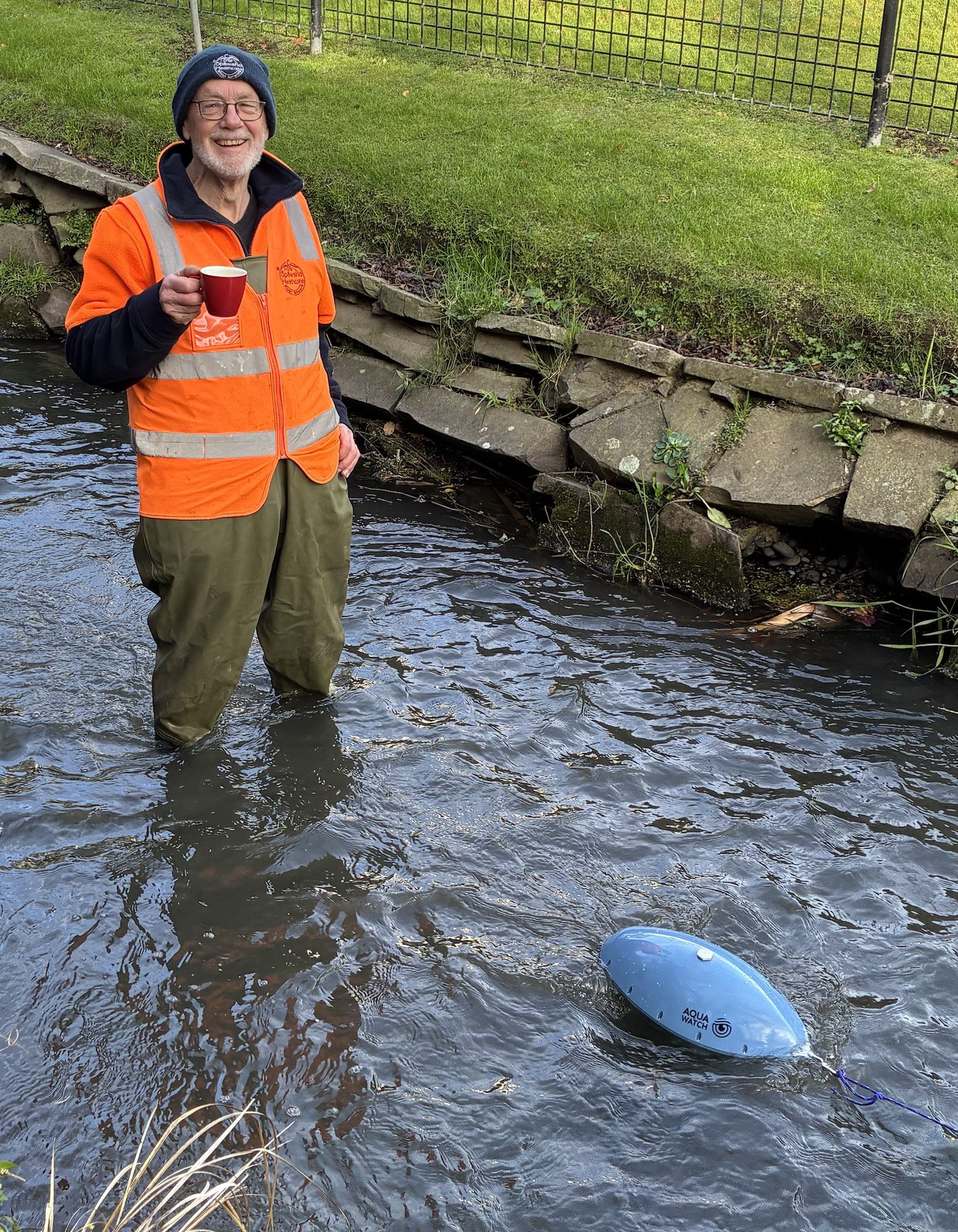
Successful deployment is celebrated by ŌHRN Secretary Malcolm Long with a cup of coffee courtesy of the adjacent landowners who will be minding the WaQA.
The information gathered will support evidence-based decision-making by helping identify where sediment and other contaminants are entering the river system and where management actions are likely to have the greatest environmental benefit.
Looking beyond the current trial, continuous monitoring also has the potential to become an important tool for measuring the success of restoration initiatives. As riparian planting, erosion control and improved land management practices are implemented across the catchment, long-term monitoring will provide objective evidence of whether these investments are improving water quality.
The project also strengthens community understanding of freshwater management. Near real-time monitoring data can be shared with researchers, schools, environmental organisations, local authorities and residents, making the science of river health more accessible and encouraging informed conversations about protecting local waterways.
By combining innovative technology with community-led environmental stewardship, the Ōpāwaho Heathcote River Network is building a deeper understanding of how the Waimōkihi and the wider Ōpāwaho Heathcote River catchment function. That knowledge will help guide future restoration efforts, support better management decisions and contribute to a healthier waterway.