Click to jump to:
Submerged aquatic weeds
Weeds of the river margins
Weeds of the estuary
———-

Click to jump to:
———-
New Zealand is one of the weediest countries in the world due to a combination of historical plant introductions, a favourable climate for growth, and a high number of exotic species escaping from gardens. The European settlers of Aotearoa established organised groups that competed to introduce new plants. The Canterbury Horticultural Society, formed in 1861, initially prioritized edible crops to support settlers before later shifting towards ornamental plants. By the late 19th century, it was pivotal in establishing Christchurch as a “Garden City”. The unfortunate outcome is that the margins of the Ōpāwaho Heathcote River are infested with grasses that were introduced for farming and plants that were introduced because they looked good in house gardens.
The weeds listed below are just some of those within the river corridor – we can’t list them all – but these are the ones that we focus on. ŌHRN has produced two posters that show these and other weeds that grow in and around our river. Click here to view the posters and to request copies of them.
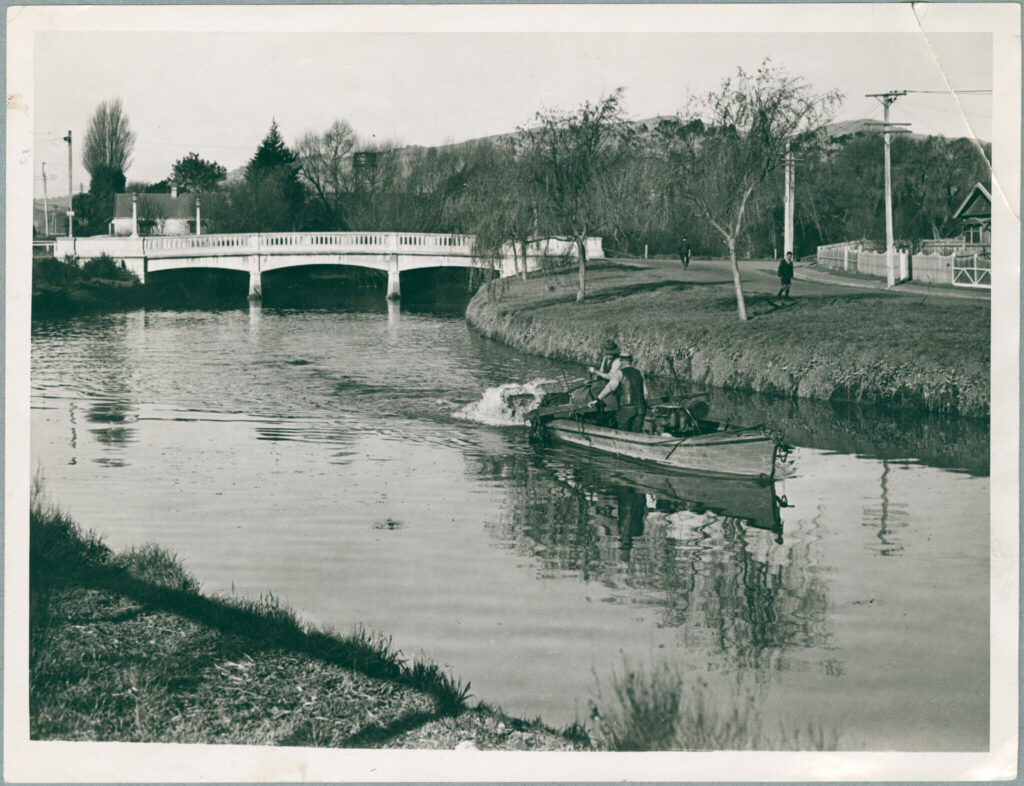
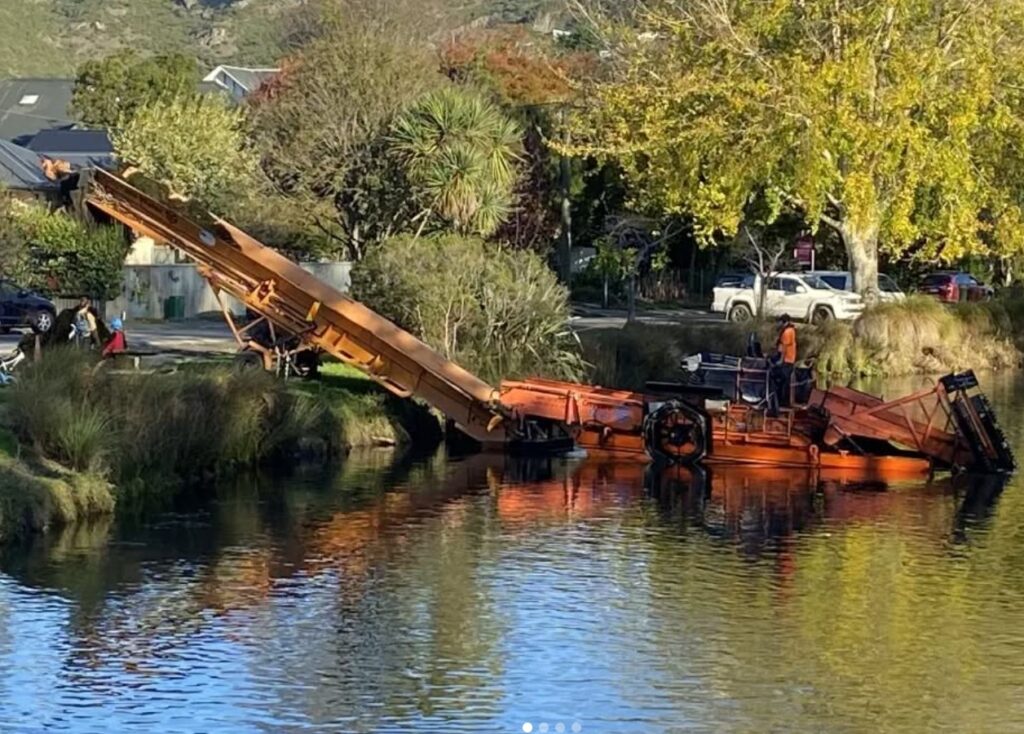
One of the common sights on the river is that of the weed-harvester reaping the weeds from the river bed to maintain the drainage qualities of the river. This has been a practice since the early 1900’s, initially done by hand and since at least 1940, by mechanised means. It happens two or three times a year.
Removing the submerged aquatic weeds reduces the buildup of sediment and increases the volume of water that can flow within the riverbanks. Unfortunately, the process removes native aquatic plants and unintentionally captures small fish and tuna.
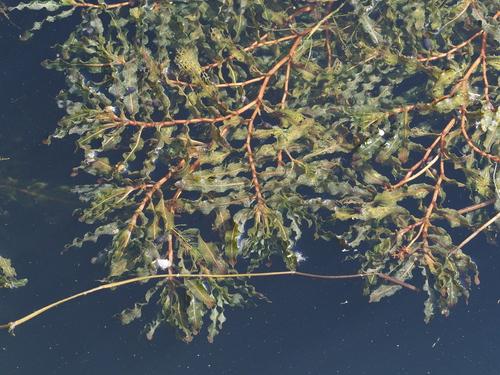
(Potamogeton crispus)
Unlike the native pondweeds, Curly Pondweed can be problematic in flowing water and, although a typically freshwater species, it will tolerate brackish water. Plants can grow to 4 m in deep water, with stunted rosette forms of the plant occurring in very shallow water (<0.3 m). This is the most prolific of the submerged weeds in the Ōpāwaho Heathcote River. More details
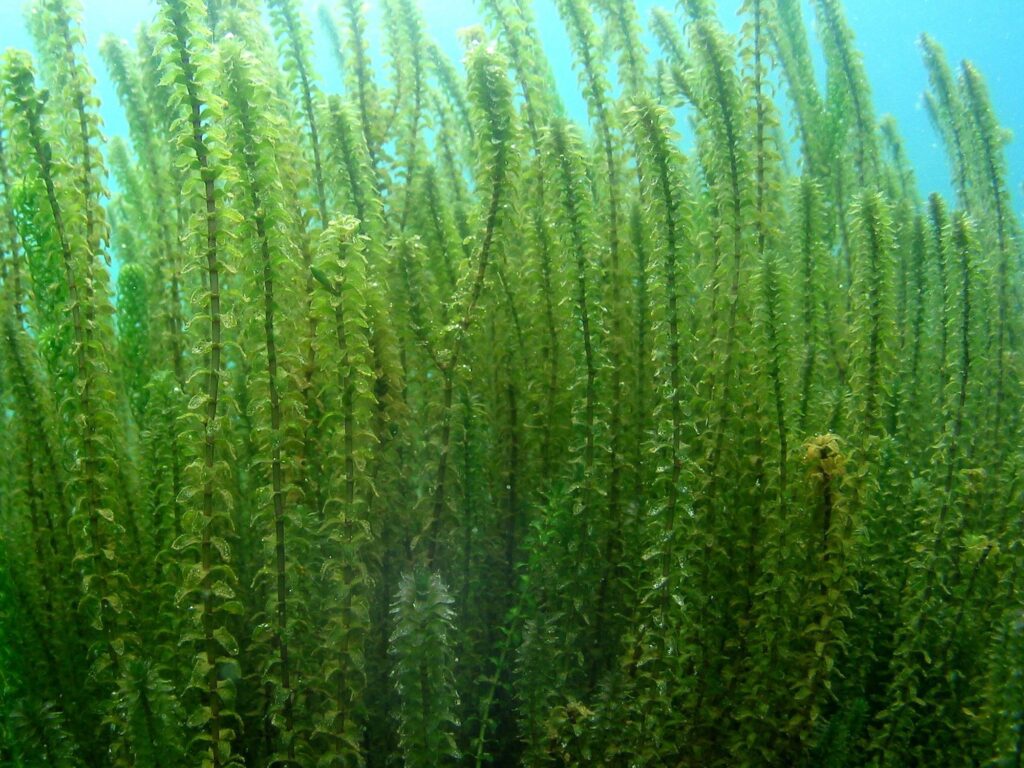
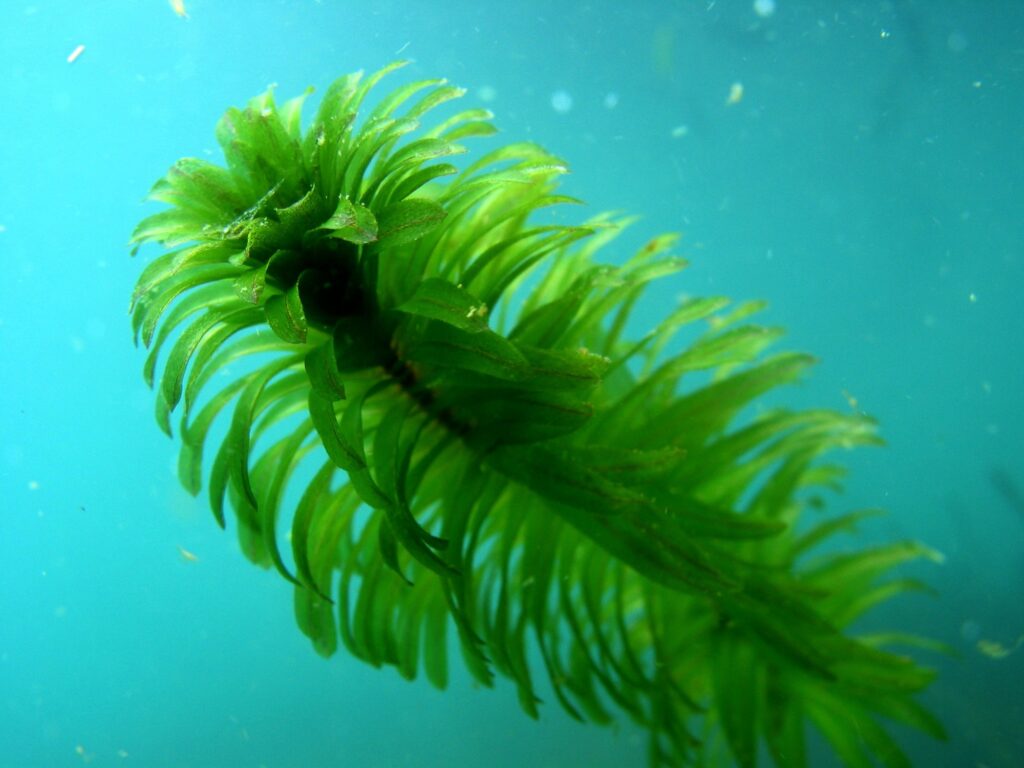
(Elodea canadensis)
A submerged, bottom-rooted perennial aquatic plant in the oxygenweed group, that grows in both still and flowing waters. The stems are brittle and pale with bright green leaves occurring in whorls of three, and often with little space between each whorl. Its flowers are inconspicuous. Elodea is more likely to be found towards the edges of the river where the flow is slower. More details
(Egeria densa)
This weed has not yet been found in the Ōpawaho Heathcote River, but it is in the Ōtakaro Avon River. It is a large leafy plant, the leaves being 10 to 30 mm long and 2 to 5 mm wide with minutely serrated margins, which occur in whorls of four to five. Egeria produces flowers which are conspicuous during the summer months floating on the water surface, 20 mm across, with 3 white petals. More details
The original native vegetation of the Ōpāwaho Heathcote River margins comprised relatively tall, long-lived species of sedges, rushes and grasses (Carex secta, Carex virgata, Carex geminata), harakeke (Phormium tenax), toetoe (Austroderia richardii), tī kouka/cabbage tree (Cordyline australis) and raupō (Typha orientalis). These species naturally formed a dense riparian cover initially resistant to invasion and displacement by exotic species. When the native riparian cover was removed, riverbanks and margins were colonised by mostly exotic grasses and herbs. Recent restoration planting of the riverbanks is gradually reducing the ability of exotic weeds to dominate, but it will be an ongoing battle to prevent weed species from changing the river environment and reducing biodiversity.

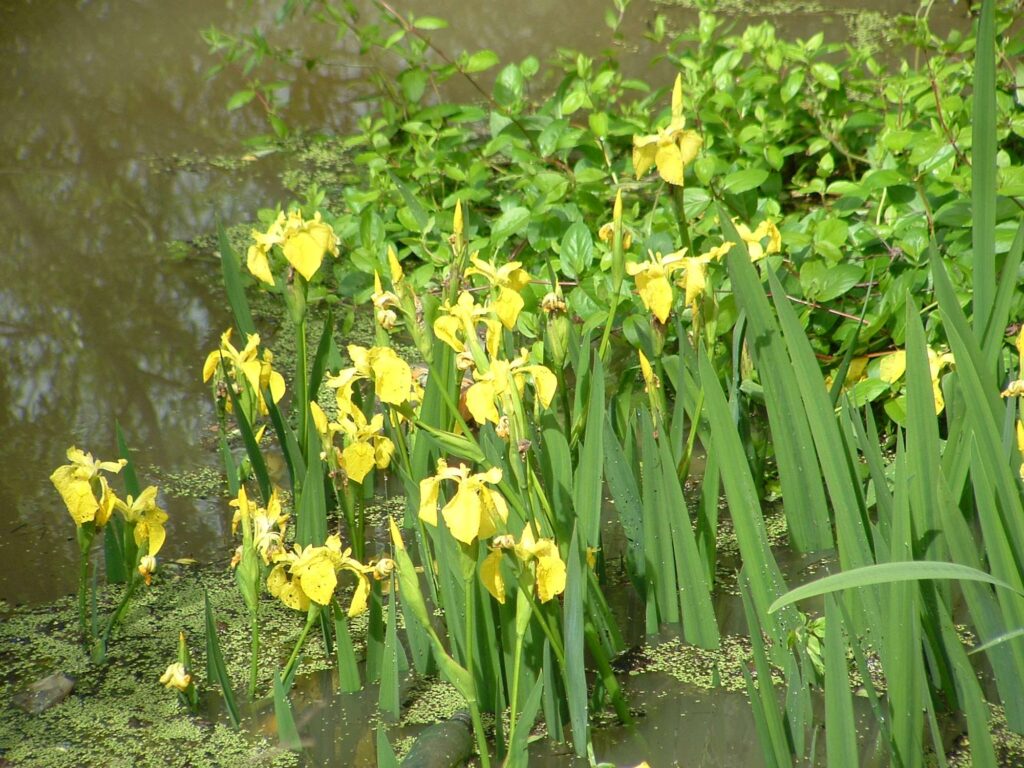
(Iris pseudacorus)
Dense leafy clumps with showy yellow iris flowers (12 cm across) produced in early spring, only lasting one day and when ripe forming large green seed capsule. Rhizomes form dense floating mats and it overtops native plants on the river margins. Largely controlled in the Ōpāwaho Heathcote River, but individual clumps reappear from time to time. More details
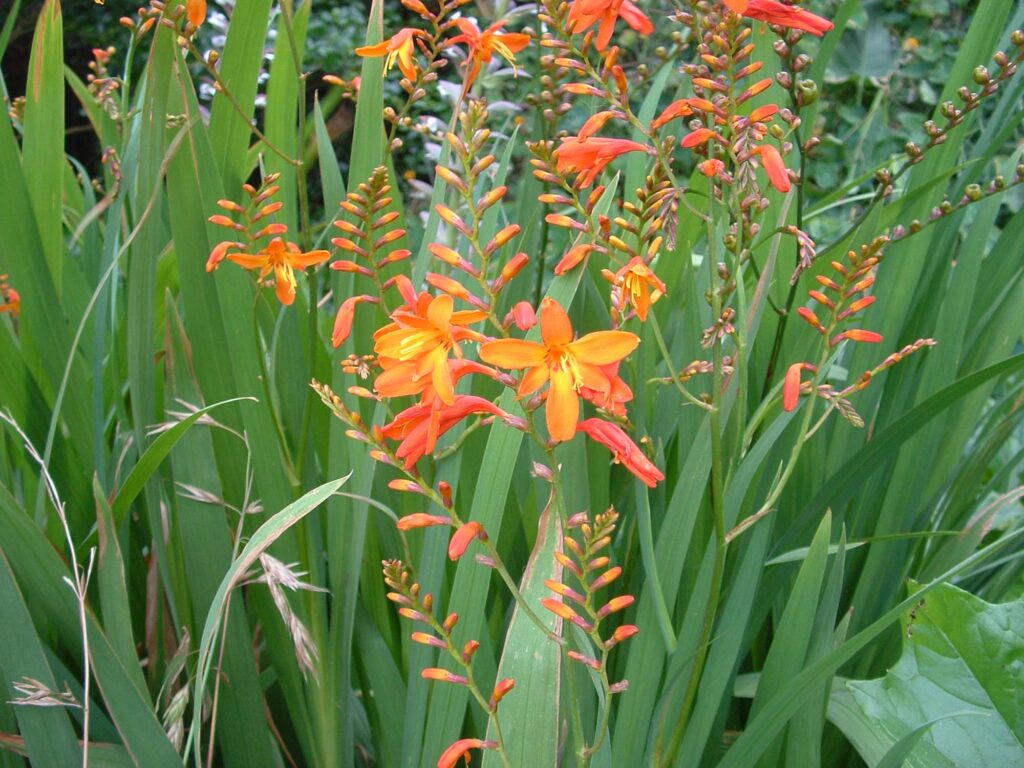
(Crocosmia ×crocosmiiflora)
Stiff, clump-forming, evergreen perennial. Light brown corms have a fibrous cover. Firm, sword-shaped leaves with a conspicuous mid-vein. Flowerheads are tall and zig-zag shaped. Solitary orange to crimson 6-petalled flowers. The corms and rhizomes multiply rapidly and it also grows from fragments. Very difficult to eradicate once established. More details
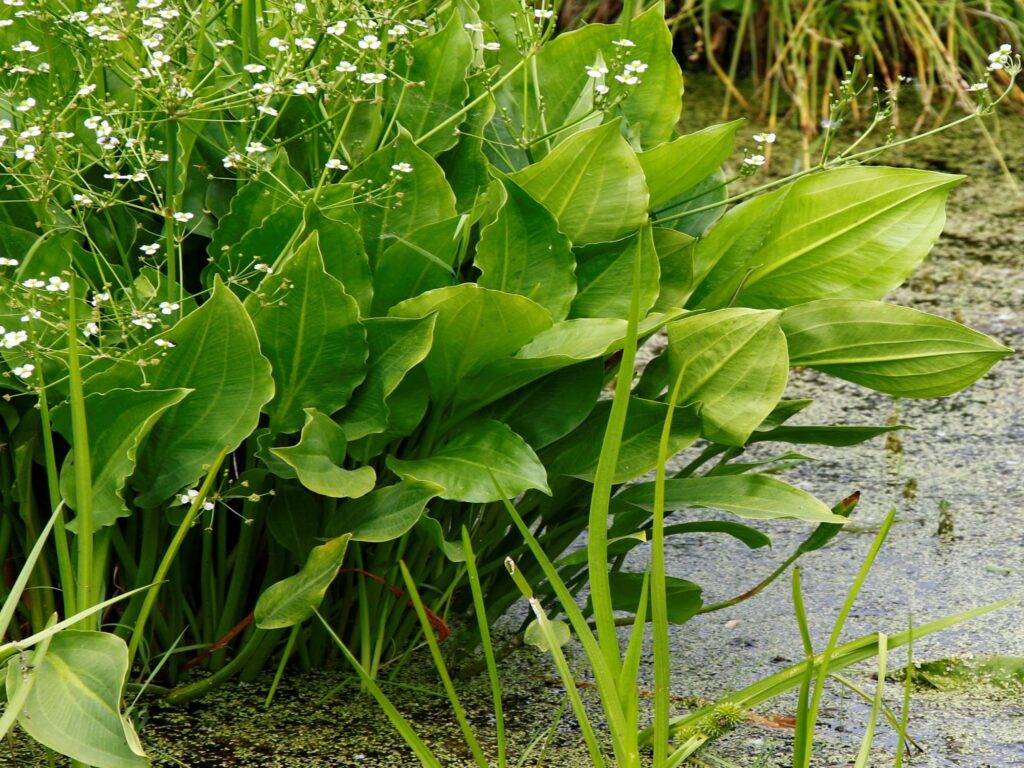
(Alisma plantago-aquatica)
A plant that inhabits the river margins. It has wide lance-shaped leaves, with many tiny pale lilac flowers held on a pyramid-shaped stem, much taller than the rest of the plant. Possibly an escaped ornamental pond plant. Once established it grows and reproduces quickly, trapping sediment and out-competing native plants. More details
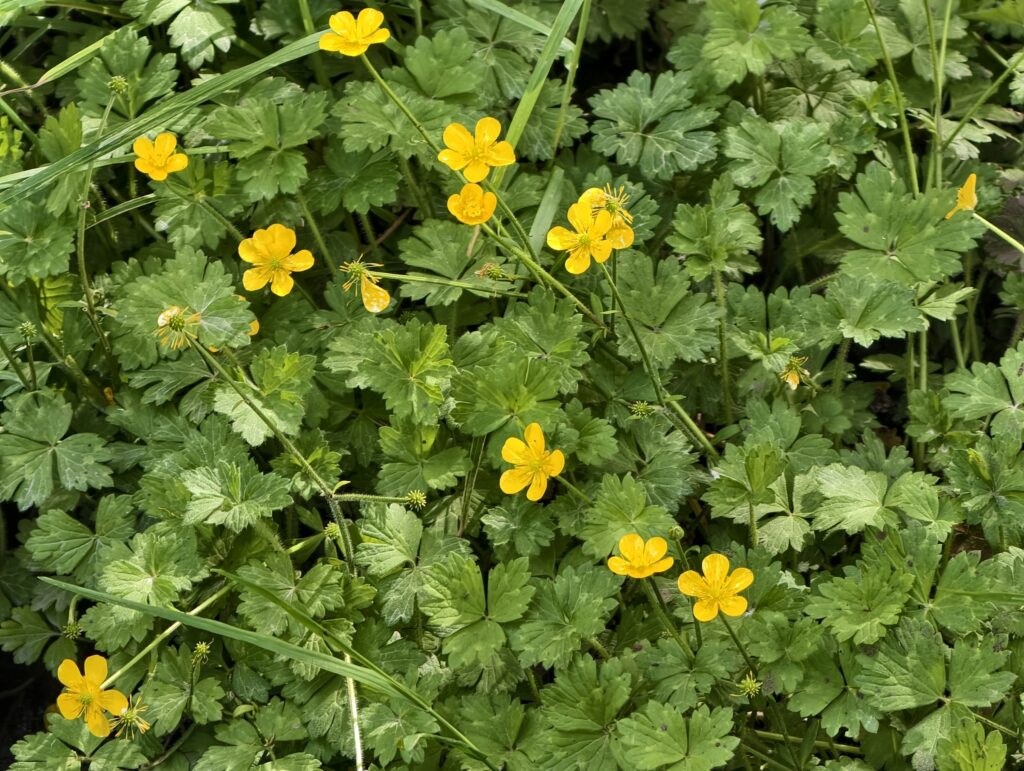
(Ranunculus repens)
A herbaceous perennial plant growing to 50cm tall. It has both prostrate running stems, which produce roots and new plants at the nodes, and flowering stems. Flowers are golden yellow, glossy, usually with five petals. Invasive, spreading quickly by its rooting stolons and resisting removal with a deeply anchored filamentous root ball. More details
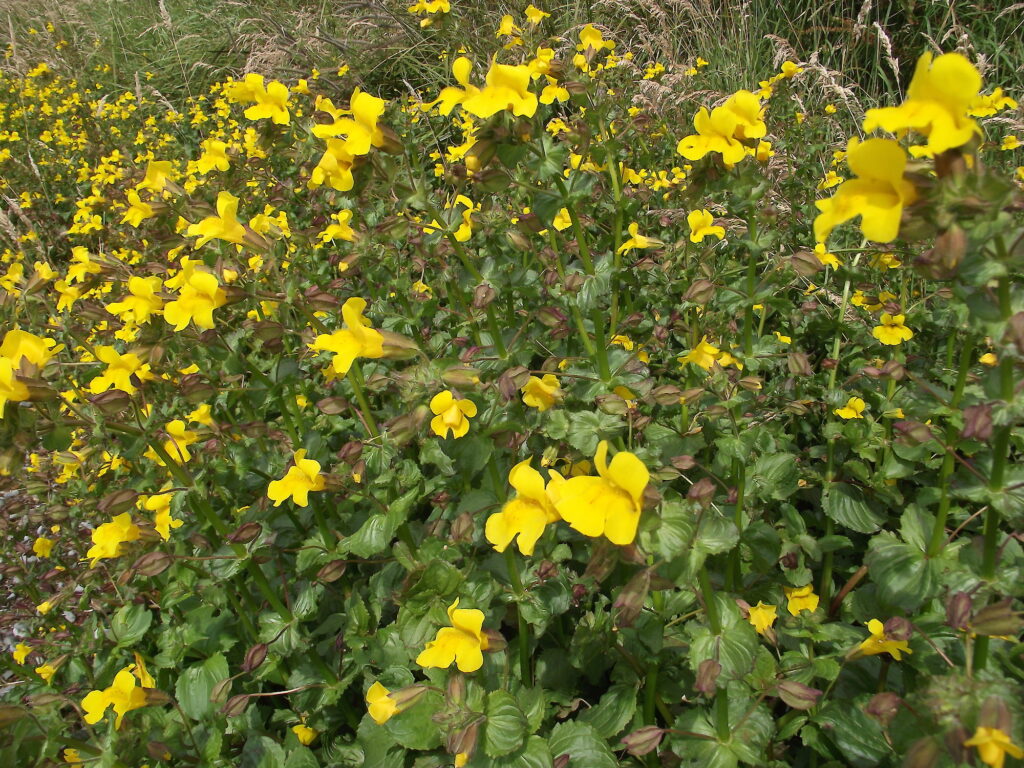
(Erythranthe guttata)
Erect perennial bog herb with rhizome root system, stiff, occasionally branched stems. Oval bright green leaves with serrated edges. Yellow flowers with red spots on the bearded lower lip appear from Nov-March. Fast growing, has creeping rhizomes root system, and seeds and fragments of root system are widely dispersed. More details
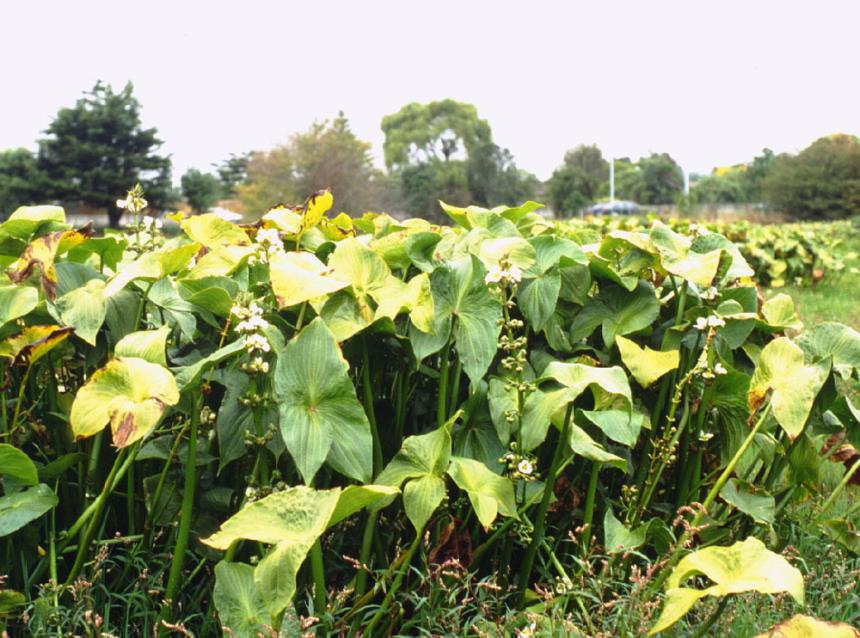
(Sagittaria montevidensis)
Perennial with thick vertical rhizomes. Soft, spongy stems. Strap-like submerged leaves with arrowhead-shaped emergent leaves on mature plants. Produces white flowers with purple patch. Fast growing, and produces seed within 6 months. Displaces most native marginal species. Largely controlled in the Ōpāwaho but clumps reappear. More details
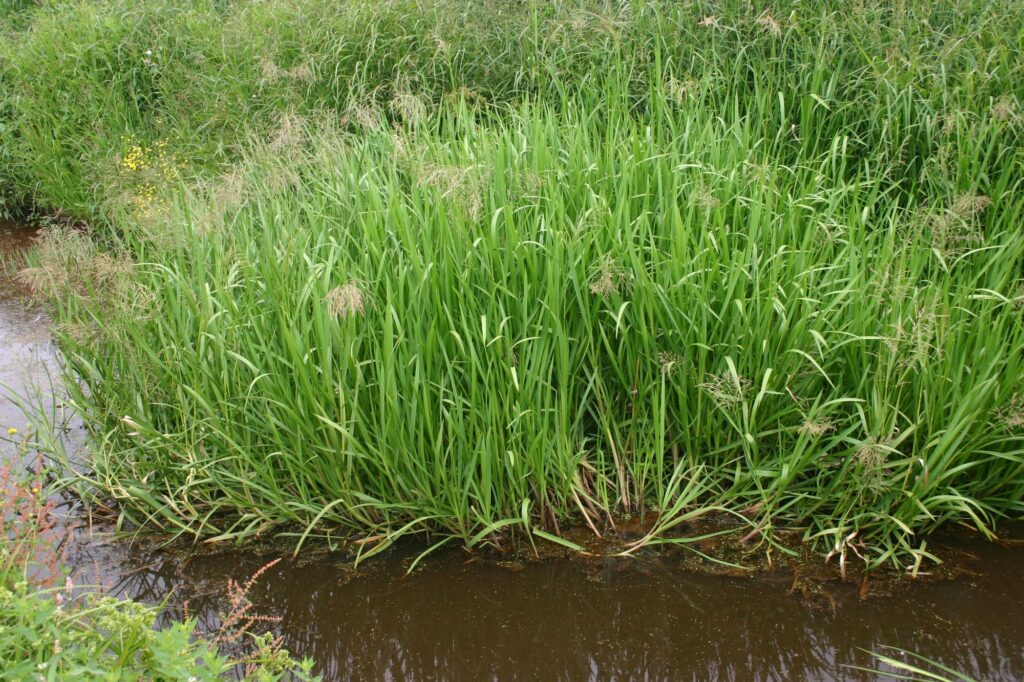
(Glyceria maxima)
Aggressive, perennial, mat-forming grass with fibrous roots and rhizomes and an erect stem. Soft, light green leaves have a membranous ligule. Much-branched flowerhead. Forms a dense monoculture in nutrient-rich water. Matures quickly, has a rapid growth rate, and outperforms competitors. Rhizomes spread outwards, breaking off and rooting in any damp spot. ŌHRN is eradicating this plant from the Ōpāwaho. More details
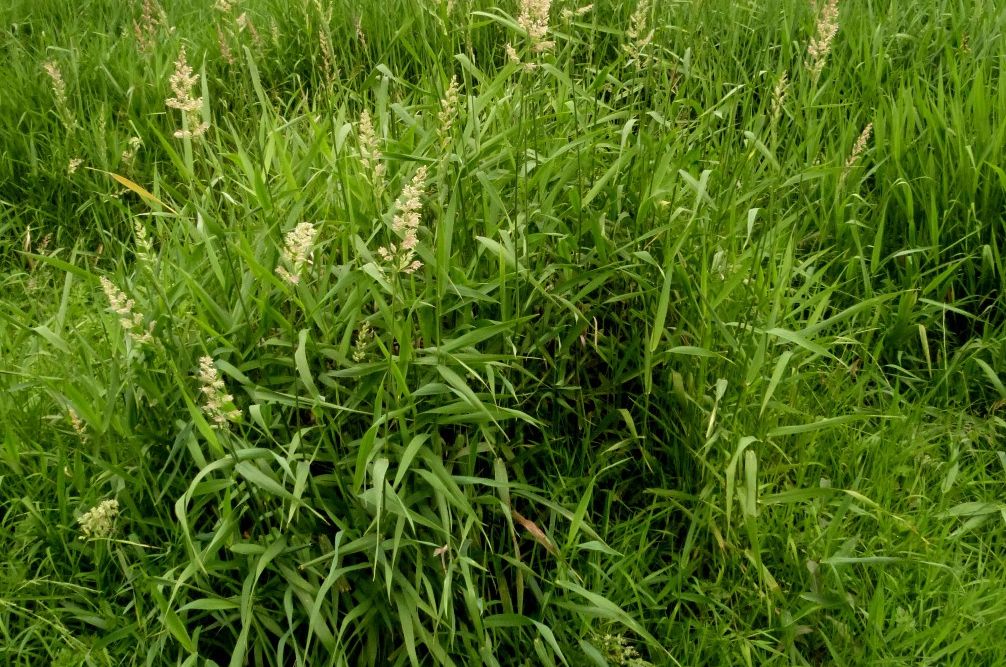
(Phalaris arundinacea)
A clump-forming perennial grass around 2m tall with smooth stems. Leaves are hairless and gradually tapered. Flowerheads are initially green-purple but turn yellow-brown. Vegetative spread by rhizomes, runners and rhizome fragments. Prefers damp river margins. Fast-growing, forming dense stands that outcompete native species and can block waterways leading to sediment buildup and flooding. Largely uncontrolled at present in the Ōpāwaho. More details
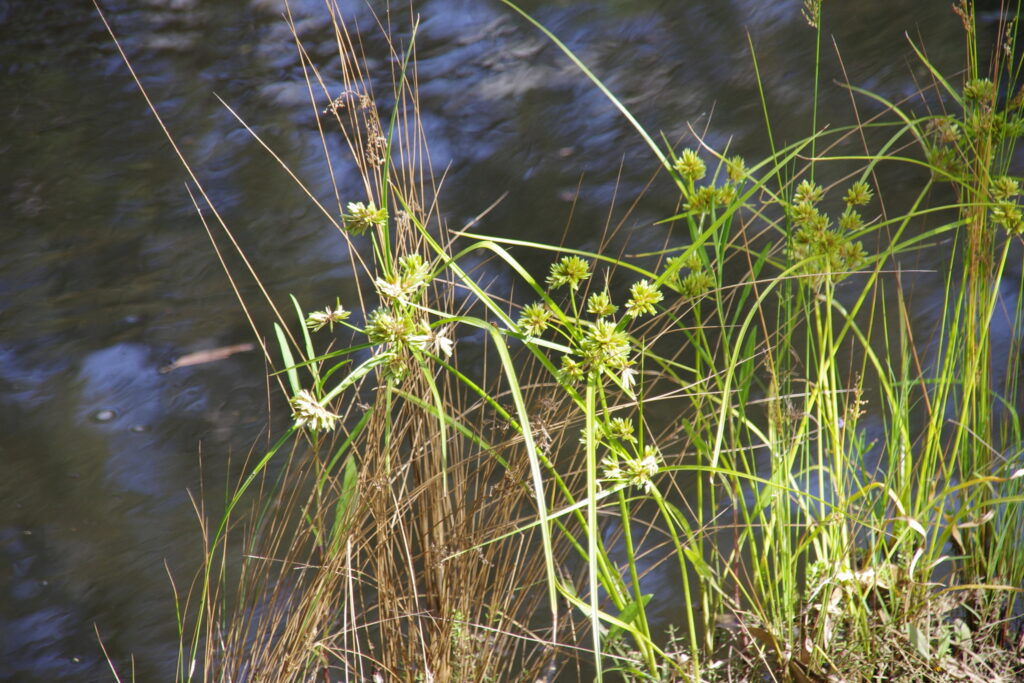
(Cyperus eragrostis)
Tufted leafy sedge, with triangular stems up to 1m tall, leaves arranged in threes. Leaves grow from the base and are slender, flat and linear with finely serrated margins. A group of 5 to 7 green round flowerheads, with 5 to 8 long grass-like leaves immediately under this, at the end of flower stalk. Invasive rhizomes are short, thick and woody. It displaces and outcompetes native plants in a wide range of habitats. Generally not controlled in the river corridor. More details
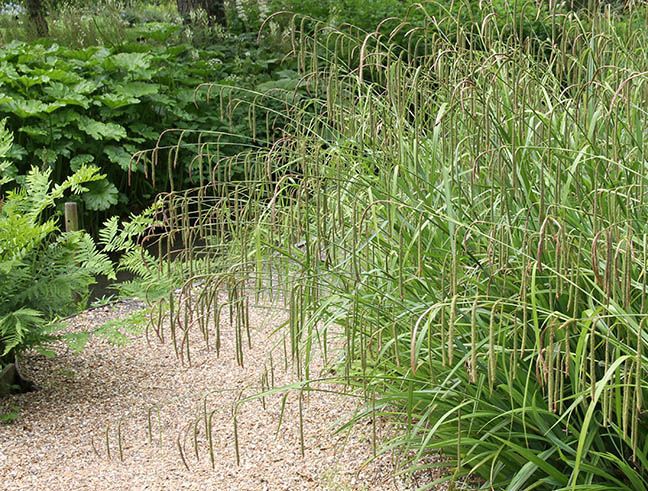
(Carex pendula)
A tall, perennial, deep-rooted, tussock-forming sedge. Up to 2.5m high with smooth, three-sided drooping stems. The cross-section of the stems, when cut, is distinctly triangular. Leaves are 15-20mm wide. The flower filaments are drooping and less than 15cm. It displaces native and productive plants in a wide range of habitats due to forming dense infestations Largely controlled in the Ōpāwaho but clumps reappear. More details
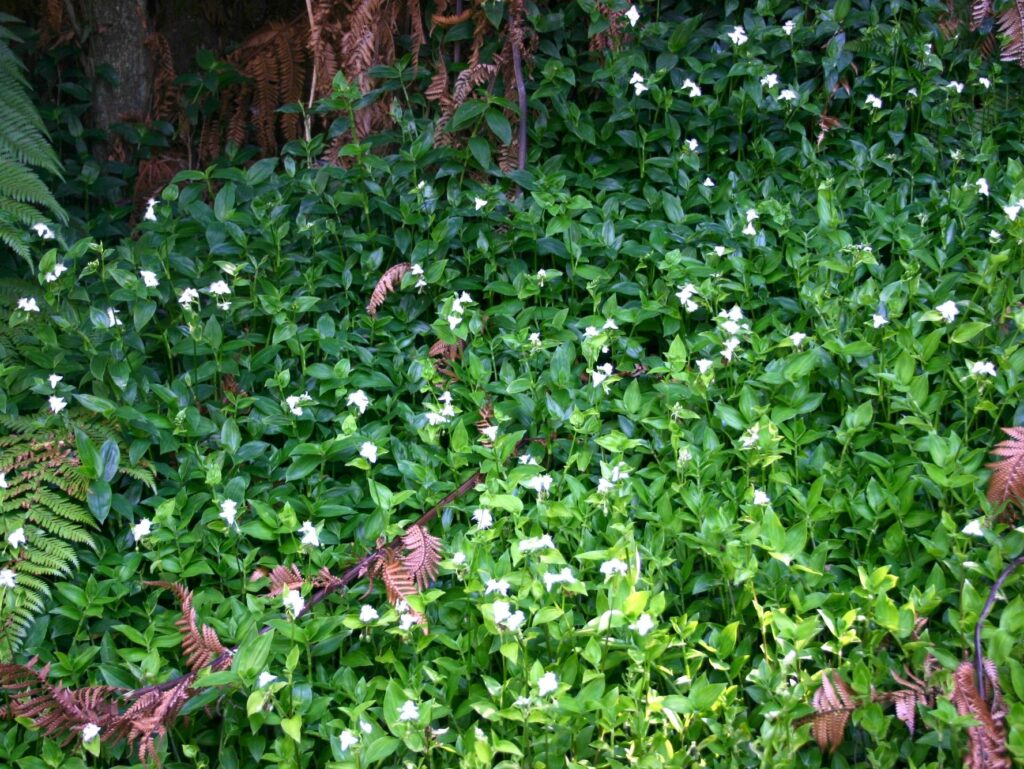
(Tradescantia fluminensis)
Shiny green creeping groundcover with soft, fleshy stems and leaves. White flowers (2cm diameter, DecJan) are 3-petalled and in small clusters. Spreads easily from fragments. It forms thick mats that smother the riverbank, stopping native plants from growing. Too prolific and widespread to be controlled although biological control organisms have been deployed along the river with little effect to date. More details
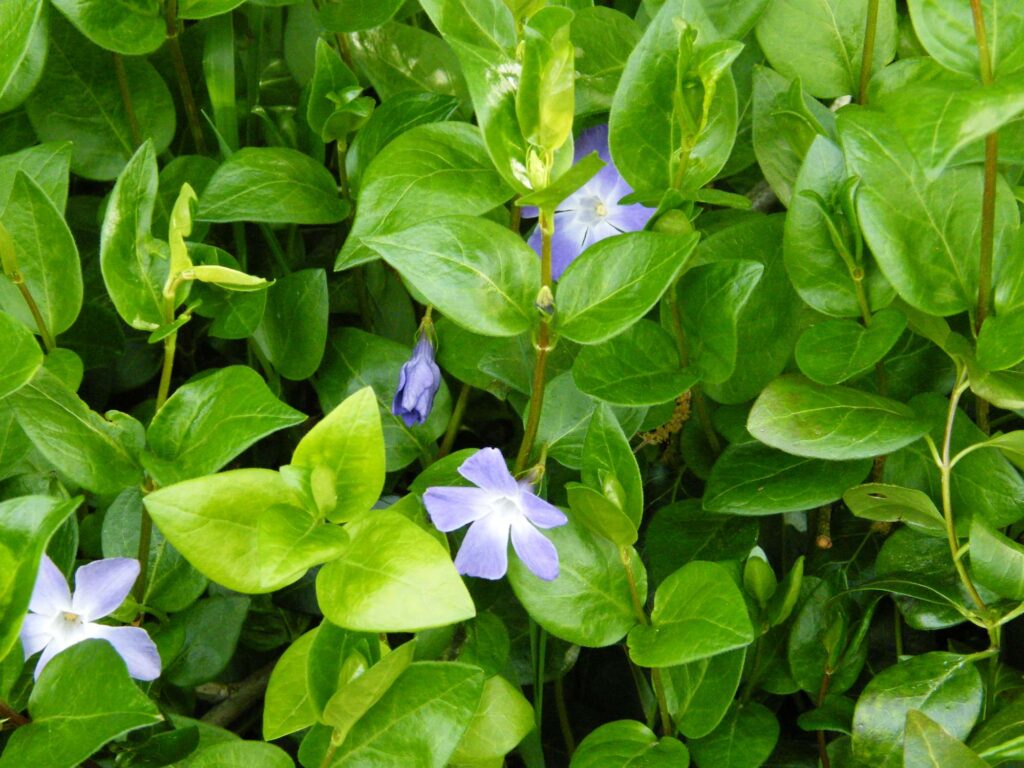
(Vinca major)
Prostrate, scrambling perennial with short rhizomes and trailing stems that take root where they come in contact with the soil. Glossy dark green (or variegated) leaves are in opposite pairs on the stem. Solitary, blue-violet, 5-petalled flowers Jan-Dec. It smothers the ground in open or shady conditions, prevents the seedlings of native species from establishing or creating habitat. Too prolific and widespread to be controlled. More details
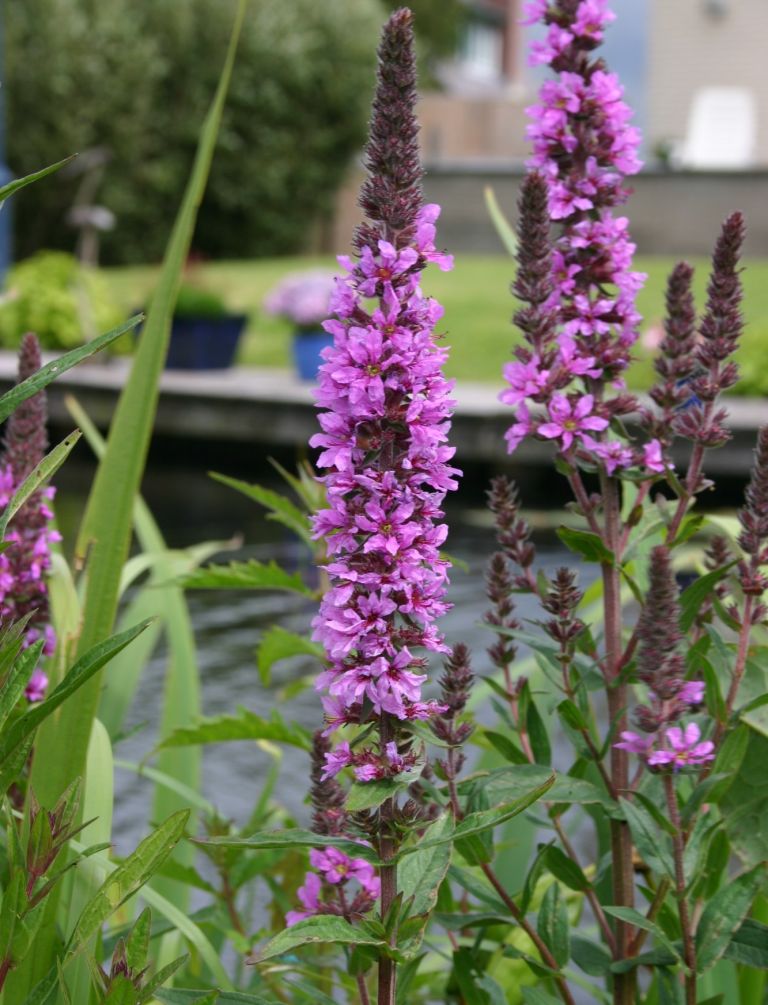
(Lythrum salicaria)
An erect, tall perennial with fibrous roots that form dense surface mats and produce up to 50 stems per rootstock. Much-branched stems are 4-8 sided, and pink at the base. Showy, densely hairy flowerhead spikes are made up of purple-magenta flowers. It forms massive, impenetrable stands, excluding all other species. Destroys wetland and marginal habitats. Not yet seen beside the Ōpāwaho but expected. Report any occurrences to Environment Canterbury. More details
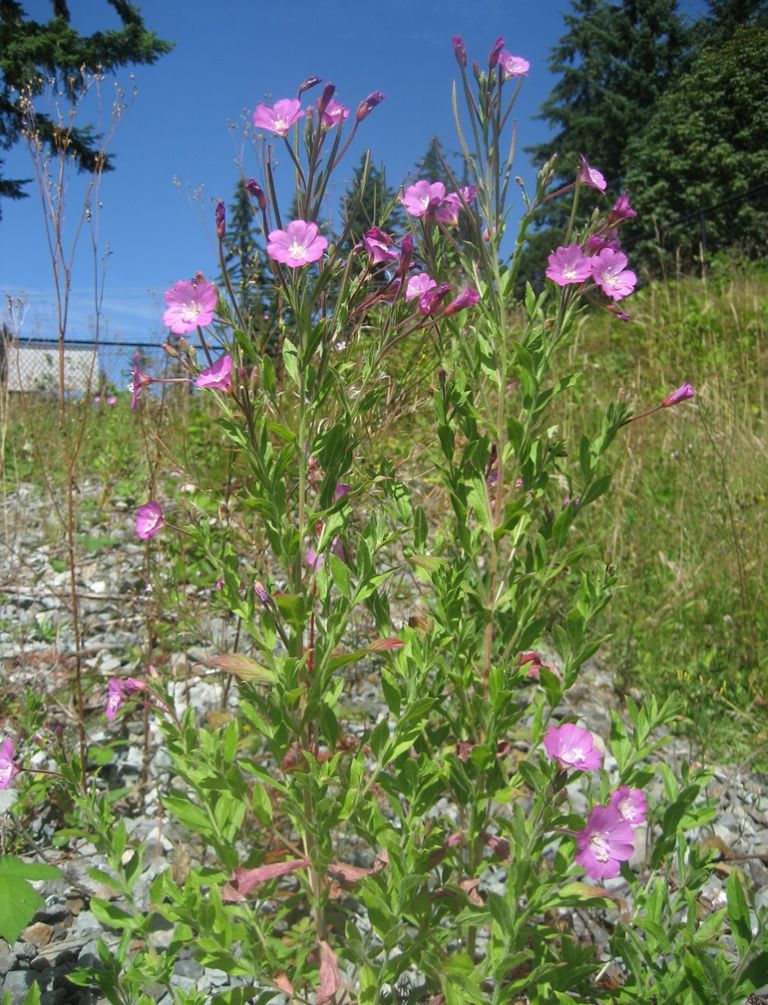
(Epilobium hirsutum)
An erect, tall herb with leaves similar to willow, usually slightly hairy, in pairs, tooth-edged, and attached directly to the stems. Pink flowers have a white centre, petals notched on the edge. The seed pods split to release small seeds with long white hairs. An aggressive invader that rapidly forms dense stands outcompeting native species in vulnerable wetland and waterway habitats. Not yet seen beside the Ōpāwaho but expected. Report occurrences to Environment Canterbury. More details
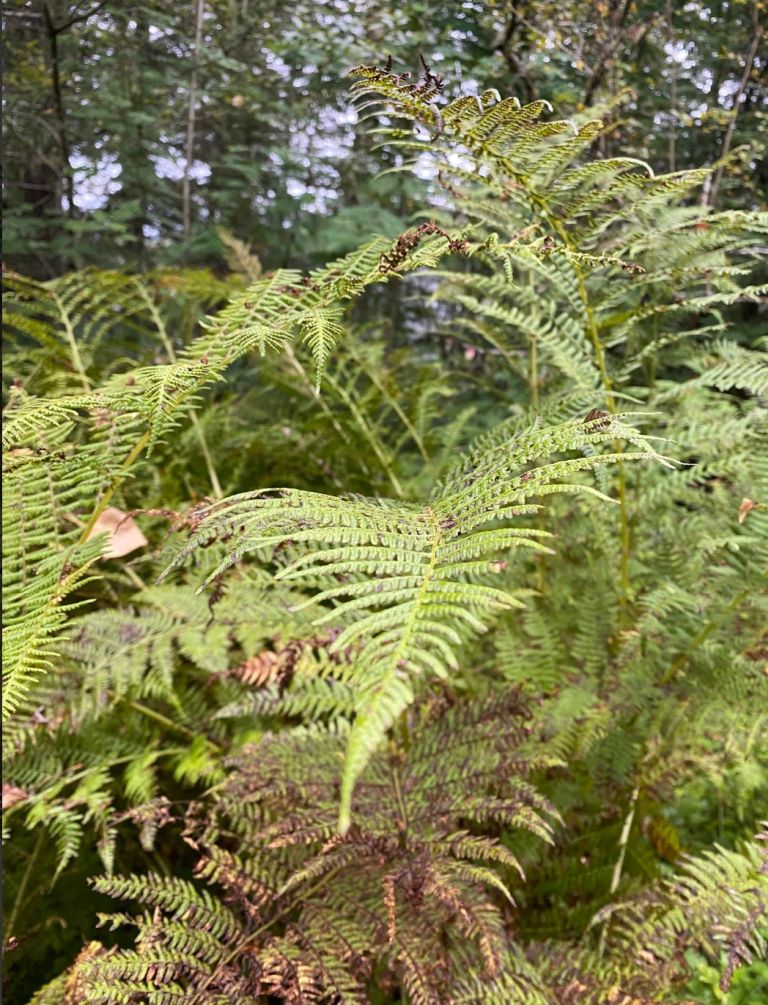
(Athyrium filix-femina)
A large, feathery species of exotic but fully naturalised fern. Its name refers to how its reproductive structures are concealed inconspicuously on the underneath of the frond. It is deciduous, with fronds arising from a central point as a clump. It establishes itself along stream banks, riverbanks, and in swampy areas, threatening to outcompete native riparian vegetation. It is too prolific and widespread to be controlled although its is worse along the Avon than along the Ōpāwaho. More details
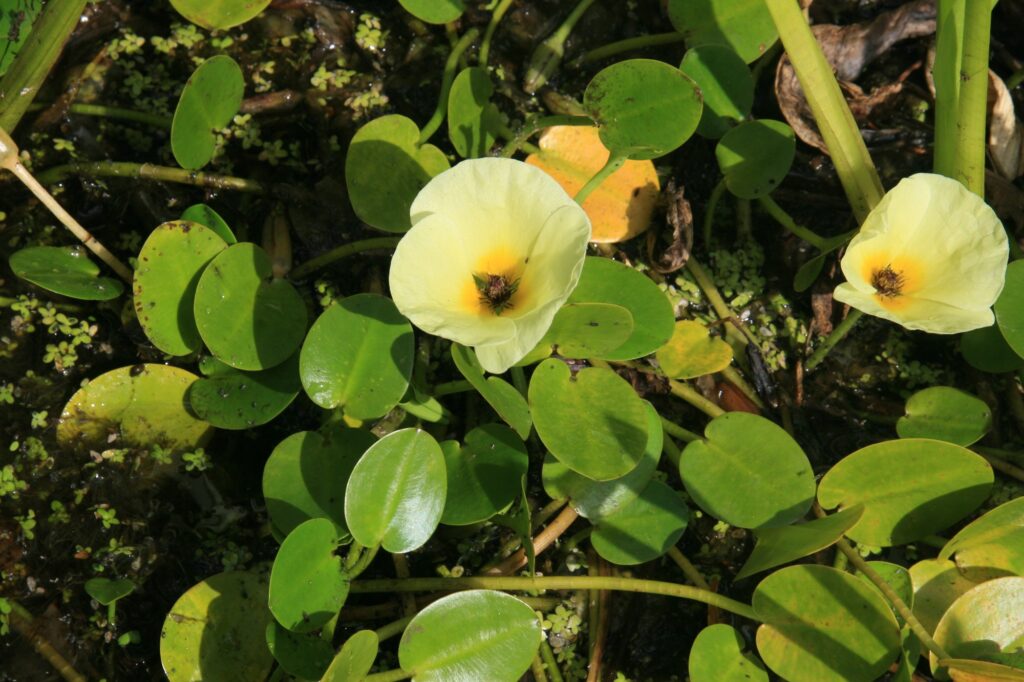
(Hydrocleys nymphoides)
Perennial waterlily-like aquatic herb. Stems are rubbery and creeping. Leaves are thick, glossy and float, have a raised main vein along the underside. Flowers are distinct with three petals, yellow with a purple centre. It is an aggressive coloniser that forms dense mats on the water’s surface, shading out and submerging other vegetation. Not yet seen in the Ōpāwaho. Report occurrences to Environment Canterbury. More details
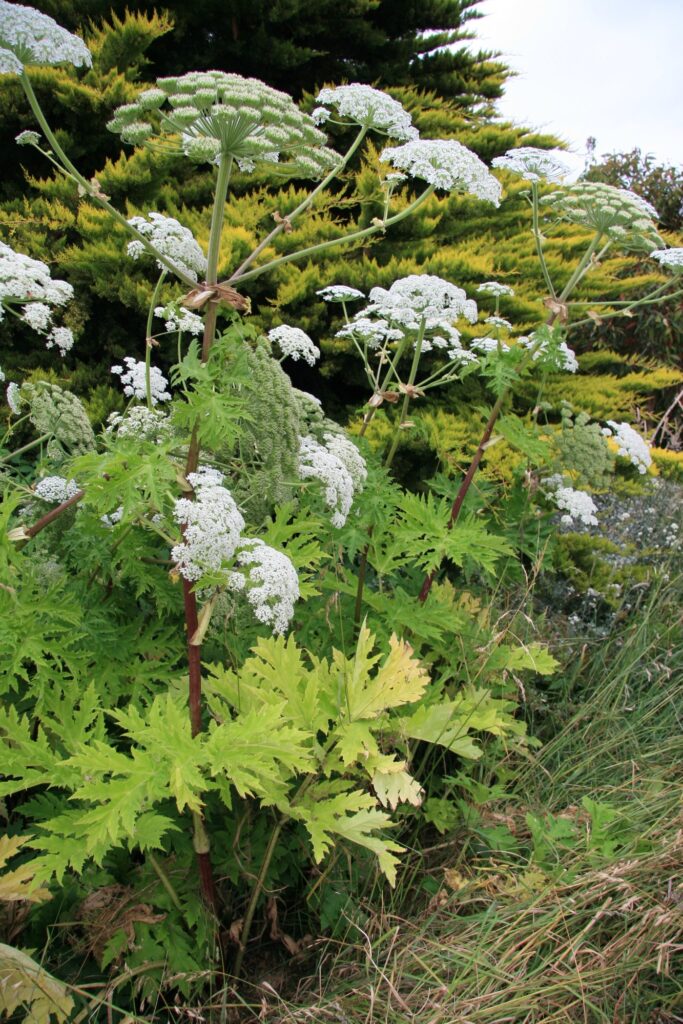
(Heracleum mantegazzianum)
Massive, erect, biennial herb growing from a forked taproot with large leaves made up of three bristled, deeply divided leaflets, forming a rosette at the base. Grooved, hollow stems are blotched and spotted reddish purple, and have sturdy bristles containing a toxic sap. Large umbrella-like clusters of white flowers. Poisonous to humans – do not touch it. Report occurrences to City Council. More details
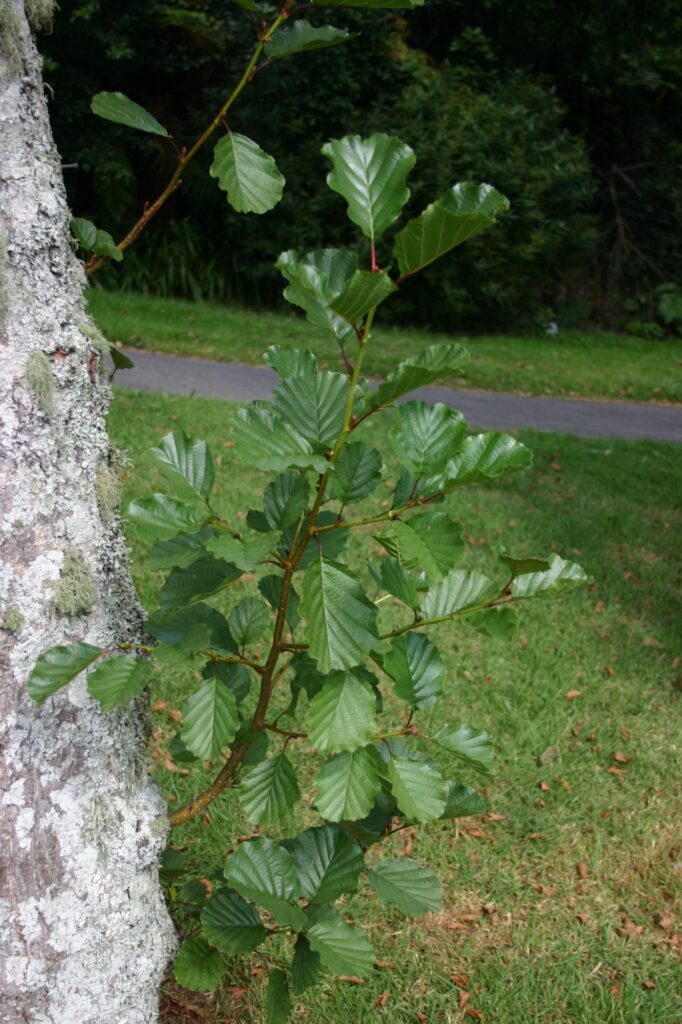
(Alnus glutinosa)
Deciduous tree with dark brown, fissured bark. Purple or grey leaf buds turn into leathery, oblong toothed leaves, with raised veins on the underside and rounded tips. Young leaves and buds are sticky with a resinous gum. Both male and female flowers appear on the same tree before leaves emerge. Fruits prolifically. Invades wet natural areas, forming dense stands and crowding out other species. More details
The lower reaches of the river and the estuary are tidal and therefore provide a difficult environment for plants not adapted to salt water and repeated inundation. While that minimises weed species that might invade the mudflats, around the shore of the estuary, many of the weeds that infest the rest of the river proliferate. Listed here are just the most common of the weeds on the intertidal zone.
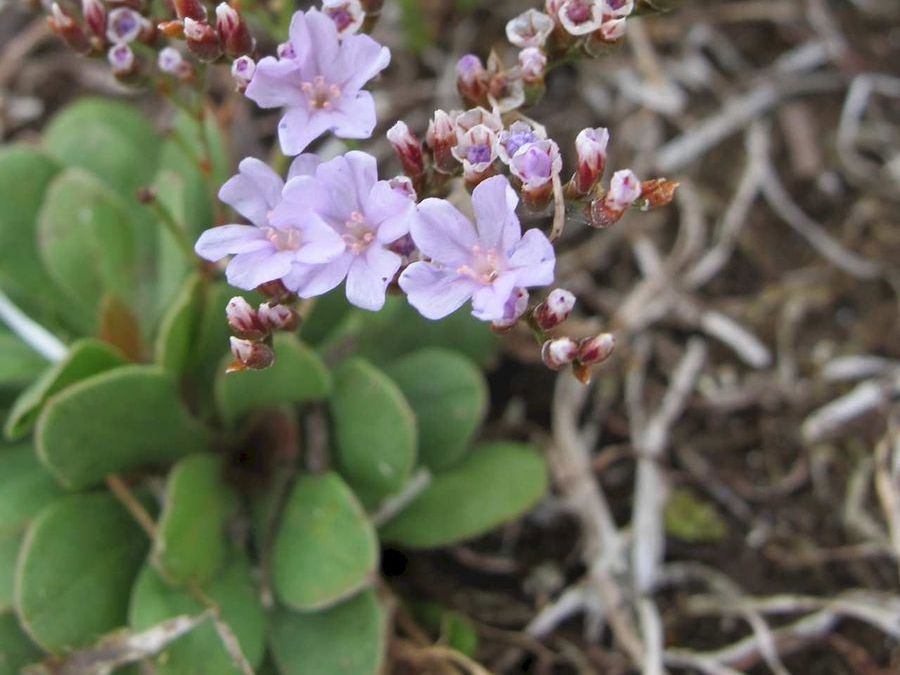
(Limonium companyonis)
Grows in salt marshes. Strong tap root system. Leathery green leaves arranged in a rosette. Small, purple-pink flowers arranged on a stalk, held well above the leaves. It grows in clumps eventually spreading out to form a dense mat. It crowds out existing native plant species and prevents native species from establishing. Clumps have been removed from the estuary of the river in recent years. Under active control by City Council. More details
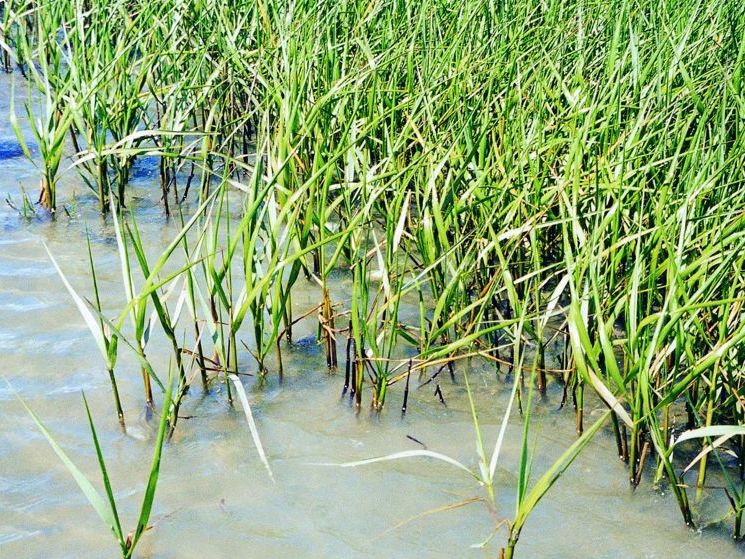
(Sporobolus anglicus/alterniflorus)
Perennial, clump-forming grass with rhizomes and fibrous roots and erect stems with many brownish leaf sheaths. Alternate leaves are deeply wide-ribbed on the upper surface. It colonises the bare inter-tidal zone where it forms dense clumps and traps sediment. Although controlled, clumps of Spartina have been removed from lower reaches of the river and from the estuary in recent years. Report occurrences to Environment Canterbury. More details
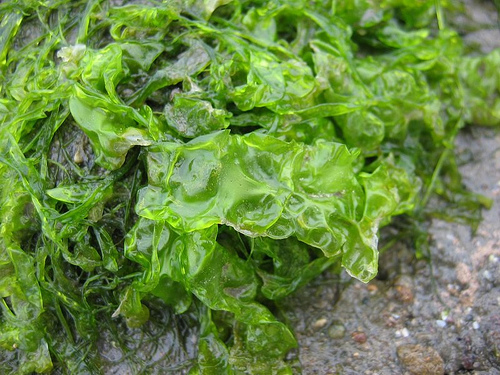
(Ulva lactuca)
A bright green seaweed featuring thin, ruffled, two-cell thick fronds that attach to rocks via a holdfast. Found in the intertidal zone, it thrives in high-nutrient, sheltered areas often blooming in response to high nutrient levels. This serves as a sign of environmental eutrophication. Large, decomposing blooms of Sea Lettuce can produce harmful hydrogen sulfide which, while giving off an offensive odour, can also impact local ecosystems. More details
Much of the information above and many of the links to details will take you to the Weedbusters website. Weedbusters is a nationwide project funded by Regional and Unitary Councils to help the community combat the most invasive weeds that undermine the natural biodiversity of New Zealand.
We acknowledge the use of photographs from Weedbusters, and photographers DOC, Alice Shanks, Rohan Wells, Trevor James, Scott Zona, Carolyn Lewis, Paul Champion, Kerry Ford.